Your senior dog is still adventurous
Activating a senior dog outdoors can be a challenge for many dog owners. We want the best for our dogs, but they might have osteoarthritis, they're a little stiff, or not very motivated to go outside, especially in freezing temperatures, ice, and snowy winterscapes.
The good news is that your dog is definitely motivated to do stuff with you, even if their bodies don't always cooperate. It's all about adjusting the pace, focusing on mental stimulation, triggering the curiosity that all dogs have, both old and young, and taking into account any health challenges your dog may have. The goal is to keep your dog motivated, confident, curious, and physically and mentally active without overexerting them.
Here are some suggestions for everyday adventures you can go on with your four-legged senior friend.
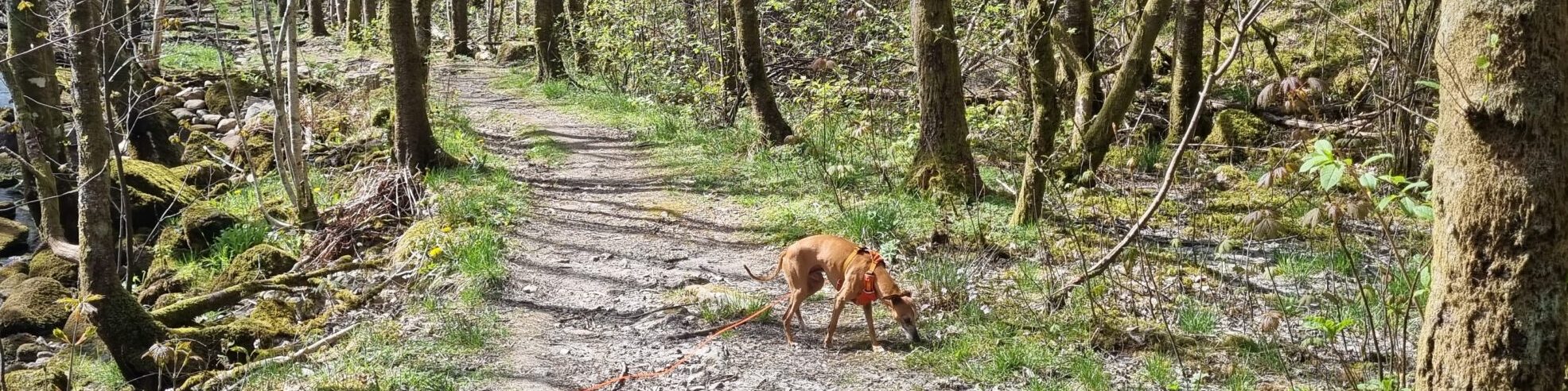
Calm expeditions and sniffaris: Let your dog set the pace and where to go. Long, calm walks where your dog can use their sense of smell are excellent mental training. Use a long leash, at least 3-4 meters, and let your dog sniff everything and stop as often as they want to. Whether the walk is 50 or 500 feet doesn't matter, this is your dog's walk, they decide how it unfolds.
Nosework and searching: Hide treats or toys in the garden, in the grass or on a tree trunk along the road, and let your dog search. This stimulates your dogs brain without requiring much physical effort. Do a teddy bear hunt where you hide a toy or something your dog loves and then he can calmly walk and sniff his way to it. Throw out a handful of treats on a downhill slope in the garden or along the road, your dog will practice “yoga” as they walk on uneven terrain and search for the treats. Sniffing activities work well indoors as well on wet, cold days.
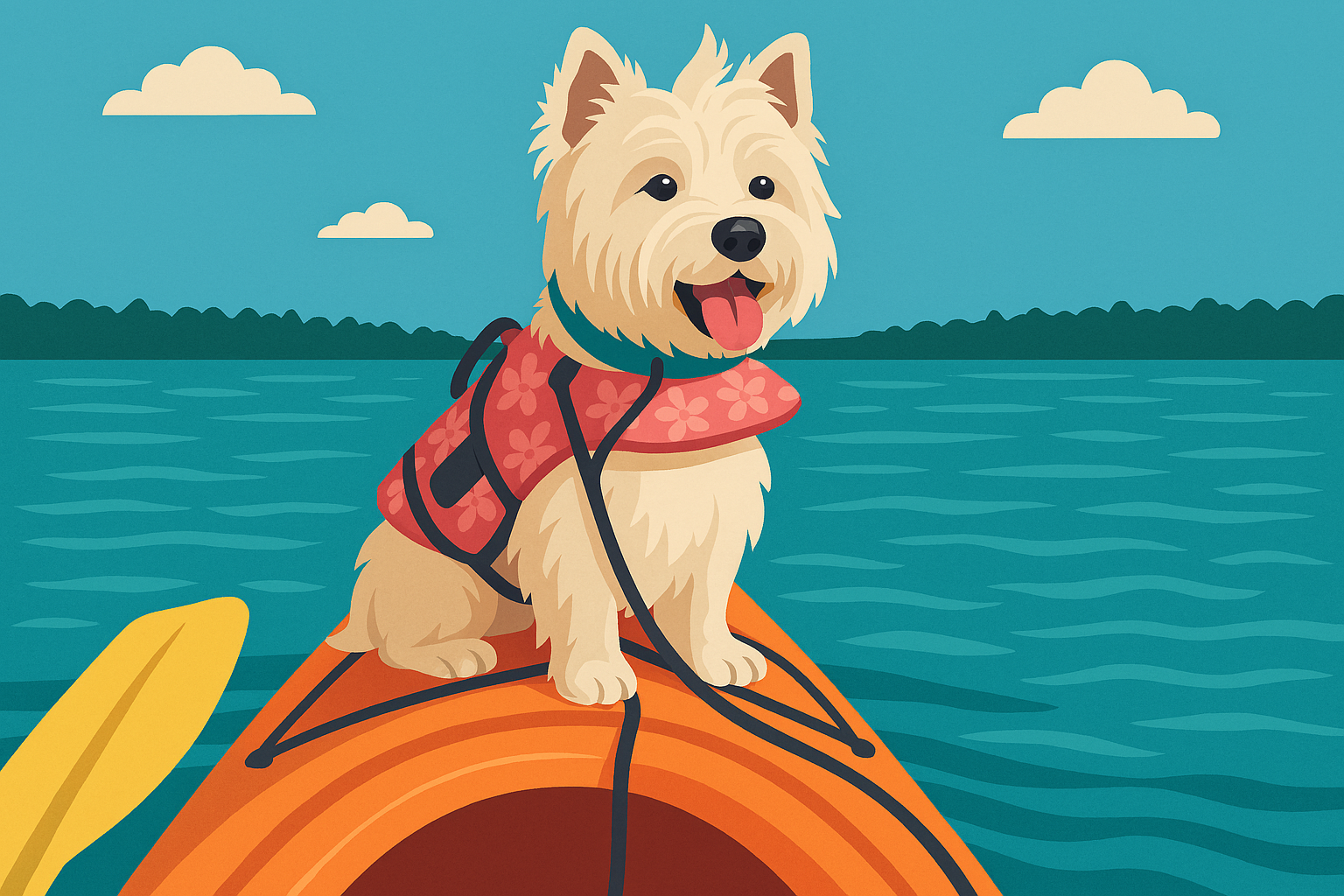
Swimming and wateractivities Swimming can be a great activity for older dogs as it is gentle on the joints (low/no impact), while providing good cardiovascular exercise and keeping the “engine” running. Not all dogs like water, but with gentle introduction with a reward-based dog trainer, most dogs can become comfortable in the wet elements. Put on a life jacket and preferably an inflatable ring around the neck to give the dog better buoyancy and support around the head so they stay above water. A saltwater pool or sea bath is ideal. Wading up to the knees can also be a gentle activity and provide good bilateral movement and train balance and proprioception for dogs of all ages.
Play on treetrunks on hikes (balancing games) If you find a tree trunk from a fallen tree, your dog can walk on it or crawl under it. This improves coordination (proprioception) and strengthens the core muscles.
Social processing - "people watching" Bring a blanket to a park and let your dog observe your surroundings from a distance. This provides environmental training and stimulation for older dogs who may not be able to walk far. If your dog is a little anxious or stressed, make sure to keep a safe distance from what is stressing your dog, so that he doesn't react, but can observe his surroundings calmly and quietly. Do a little treat seach en route, maybe bring a chew bone for your dog to enjoy on your "picnic"? If you live in a place where it rains a lot, you can find cover under some dense trees, bring an umbrella, or bring a small tarp with you and hang it over some trees where you sit. If you have a car, you can sit in the car and watch the world go by with your dog, listening to the calming rain :-)
Short training sessions: Practice simple commands that don't require anything physical from your dog. For example, high five, bark on command, swap an item with another, "drop -it", "pick up" an item from the floor or sofa, teach them to put their nose against your palm or touch something you point at. Observation training like "do as I do" where they have to watch what you do and repeat it is also a lot of fun.
Commands like lie down, sit, jump, stand on two legs require physical effort and are NOT optimal for a senior dog with joint problems or other health challenges, so always consider what you are asking for :-)
Boatrides or Kayaking: A Kayak/canoe or boat trip (with a life jacket) is a great way for your dog to experience new things without having to walk themselves. Many dogs like the smell and sound of water, and it relaxes them – The sun reflects off the water surface and can hurt your dog's eyes. You have sunglasses – maybe buy a pair for your dog as well?

Important considerations when going on adventures with your senior dog:
It depends...: Your senior dog has good days and bad days - it kinda depends on the day. Shorter and more frequent walks are often better than one long walk. Pay attention to how your dog is feeling and what they seems motivated to do on any particular day.
Avoid hard surfaces:- Choose soft trails in the woods over asphalt if and when possible.
Put some clothes on: Older dogs are more sensitive to heat and cold. Make sure they don't freeze in the winter or overheat in the summer. Dogs with osteoarthritis often need more clothing in wintertime as their joints get stiff and hurt.
Watch the joints: Unngå hopp inn og ut av høye biler eller bratte trapper. Vurder ramper inne i huset og ute ved bilen, eller en sele hvor du kan hjelpe og løfte hunden din inn i bilen. Legg ned en sti av tepper gjennom hele huset som hunden kan gå på: Glatte gulv er som prikkedøden for hunder med muskel- og leddutfordringer (i alle aldre). Løping og hopping etter frisbee og ball er også harde sammenstøt for leddene- Hundene løper og hopper selvom de har vondt. De klager ikke, er høye på dopamin og adrenalin, men det kan likevel gjøre vondt og vi bør skåne dem for den type høy impakt belastninger, spesielt når de er eldre.
 EN
EN  NB
NB